

Launching a moving business in British Columbia offers opportunities in a dynamic sector. Success requires strategic planning, understanding the local market, and meeting specific legal requirements. Reliable, professional service is key in this competitive landscape.
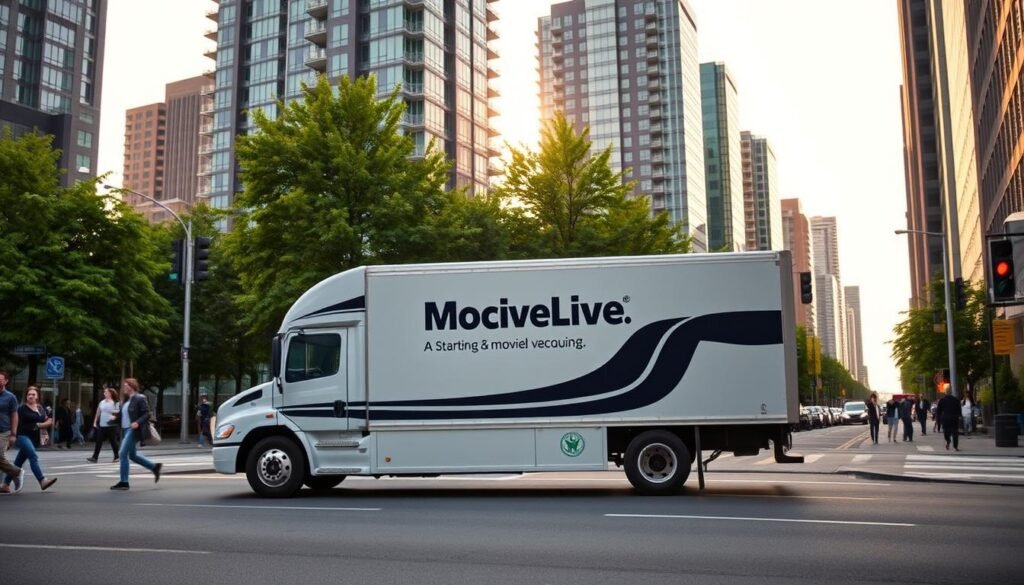
Key Steps:
- Understand the BC Market: BC’s moving industry is influenced by real estate activity, with peak seasons in late spring/summer due to lease turnovers and housing market trends, particularly in major centers like Metro Vancouver and the Fraser Valley.
- Develop a localized business plan: outline your services (local, long-distance, commercial, packing, specialty items). Research local rates – a one-bedroom local move in Vancouver might range from $400-$800 for a few hours, for example. Identify your niche.
- Navigate Licenses & Permits: Register your business with BC Registry Services. Obtain a municipal business license (costs vary significantly; Surrey’s might differ from Victoria’s). Commercial vehicle registration is mandatory for your trucks. Factor in GST/HST registration.
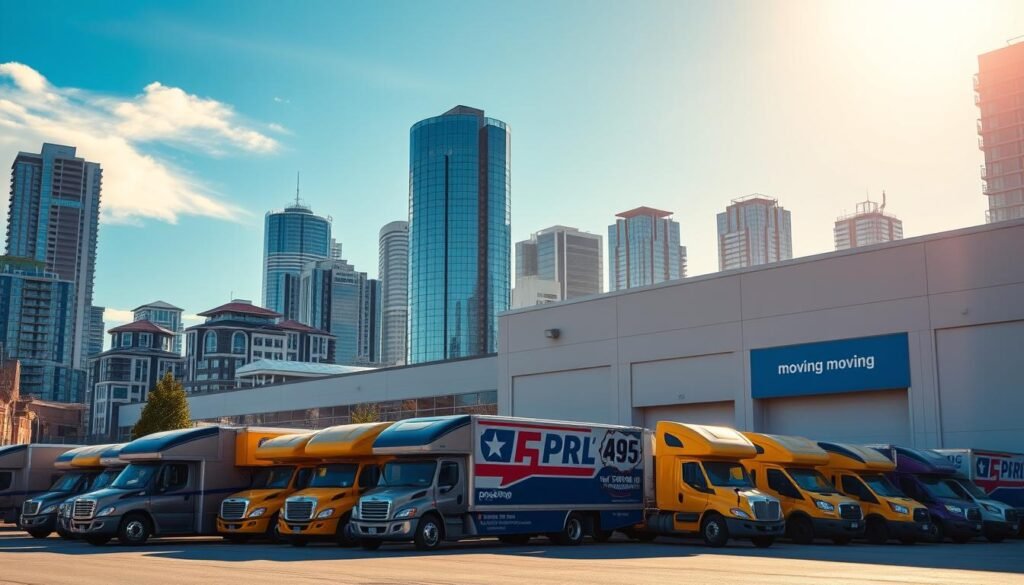
- Invest in Core Equipment: Reliable moving trucks are crucial (consider the Lower Mainland’s often congested streets when choosing sizes). Quality packing supplies minimize damage claims. Dollies and straps are essential for efficient and safe moves.
- Smart BC Marketing: Create a professional website optimized for local searches (e.g., “movers in Burnaby”). Online reviews on Google Maps and Yelp are vital – many British Columbians rely on them. Consider partnerships with local real estate agents and property management companies, especially in areas with high rental turnover.
- Build a Solid Reputation: Professionalism and punctuality are highly valued in BC. Train your team to handle belongings with care—damage can lead to negative reviews and costly claims.
Understanding the BC Moving Scene:
British Columbia’s moving market is active due to population growth and a strong real estate sector. The BDC emphasizes understanding local demand. For instance, the influx of students in university towns like Kelowna and Victoria creates specific moving needs in late summer/early fall.
Types of Services: Offer a range: local residential, long-distance within BC and beyond, commercial, packing/unpacking (a popular add-on in busy urban areas), and specialty item transport (pianos, artwork—common in affluent neighborhoods).
Market Analysis: Consider population growth in areas like Langford (near Victoria) or the Tri-Cities (Coquitlam, Port Coquitlam, and Port Moody). Economic development in resource-rich areas can also drive relocation. Be aware of the seasonal peaks and troughs in demand.
Essential Equipment: Invest in well-maintained trucks that comply with BC’s commercial vehicle regulations. Quality packing materials (boxes, tape, bubble wrap) are a must.
Starting Your Moving Company in BC:
- Choose Your Structure: Sole Proprietorship, Partnership, or Incorporation. Real Fact: Many small moving companies in BC start as sole proprietorships to minimize initial paperwork. Incorporation offers better liability protection as you grow.
- Register Your Business: Choose a unique name and register it with BC Registry Services. Obtain your provincial business number and register for GST/HST if your revenue exceeds $30,000 annually.
- Get Licensed: Secure your municipal business license. Commercial vehicle registration through ICBC is essential for operating legally. Real Fact: You’ll need specific commercial vehicle insurance, which is more expensive than personal auto insurance in BC.
Quick Costs & Timeline:
| Requirement | Estimated Cost | Processing Time |
|---|---|---|
| Business Name Registration | $30-$75 | 1-3 business days |
| Provincial Business License | $50-$200 | Immediate |
| Commercial Vehicle Reg. | $100-$300+ | 5-7 business days |
Pro Tip: Network with other small businesses in your local BC community for advice and support. Organizations like the local Chamber of Commerce can be valuable resources.
In Conclusion (Concise):
Starting a BC moving company requires careful planning, understanding the local market nuances (from Vancouver’s apartment moves to the Okanagan’s long-haul relocations), and adhering to legal requirements. Focus on reliability, effective local marketing, and excellent customer service to thrive.
FAQ (Brief Answers):
- Services? Local/long-distance residential/commercial, packing, specialty items.
- Best Structure? Depends; consult an advisor. Corporations offer more protection.
- Licenses/Permits? Municipal license, provincial registration, commercial vehicle registration (ICBC).
- Startup cost? $50K – $500K+ (trucks and insurance are major).
- Insurance? Commercial auto, general liability, cargo, and WorkSafeBC.
- Stand Out? Great service, transparent pricing, online booking, and local reputation.
- BC Challenges? Seasonality, high operating costs (especially fuel and insurance), competition, and labor.
Always verify specific regulations and costs with official BC government and ICBC resources. Good luck!